
Conservation-minded travelers are trading passive sightseeing for trips where they help repair the places they visit, from regrowing coral off Tanzania to replanting native forest in the Scottish Highlands.
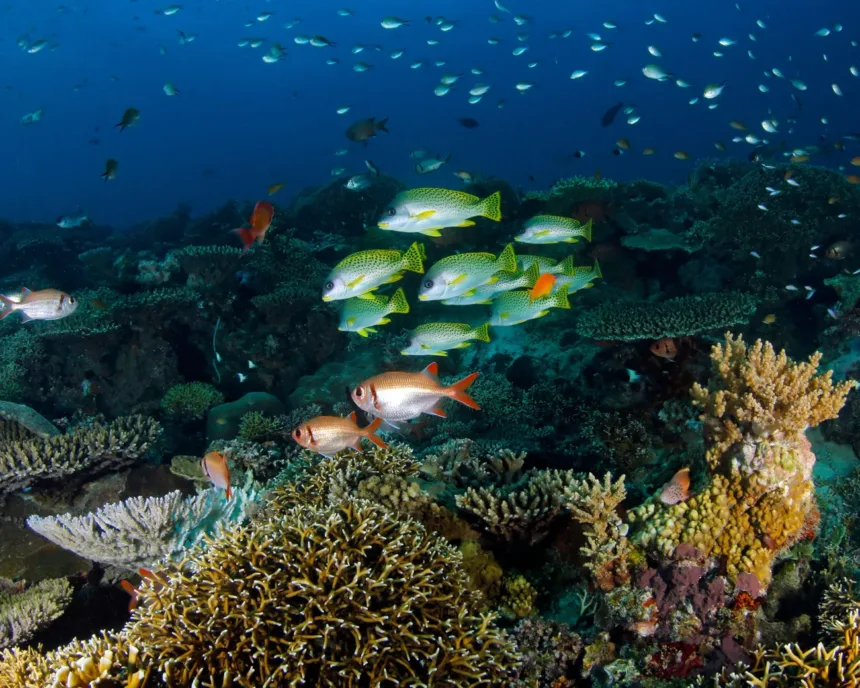
In the Mafia Island marine park off Tanzania, the Ropes of Hope project works to restore coral reefs. It is the idea of Jean de Villiers, a South African molecular biologist, and pairs underwater coral gene bank research with community involvement.
One visitor, Claire, said de Villiers walked her teenagers through that work, and her eldest now studies sustainable development. The family stayed in an ocean-view tree house.
In Scotland, Trees for Life has spent 40 years trying to restore the Caledonian forest across the Highlands. Its volunteer weeks bring together groups of up to 10 adults who share bothies, cook together and spend their days planting, monitoring wildlife, surveying vegetation and doing maintenance.
Some of those weeks take place in Glen Affric, one of the largest wild native forests in the UK. Volunteers should expect no wifi and hard physical work.
Rhinos and sea turtles
At Uganda's Ziwa Rhino and Wildlife Ranch, the country's only place to see wild rhinos, visitors trek on foot as part of a project to restore the endangered animals. One traveler, Roy, said his group watched mothers and calves graze just 25 feet away.
In Brancaleone, a working town in southern Italy, a Sea Turtle Recovery Centre operates out of the old railway station. Run entirely by volunteers, it has rescued and rehabilitated more than 700 turtles since 2006, and visits require an appointment and a small entry fee.
Lighter-touch stays
Not every option involves labor. In Kotor, Montenegro, a cat park just inside the Old Town's North Gate has a recycling machine that swaps empty plastic bottles for food for the town's cats.
The family-run Rinner Hotel in South Tyrol is built around beekeeping, offering hands-on sessions and courses. Its electricity comes from waste wood products, and its food, including organic wheat and barley, is sourced from the region.
In the Netherlands, candlelit two-person cabins in the Holenberg forest serve as a gateway to the Maashorst nature reserve. The self-sufficient cabins aim to reduce human impact on the landscape, down to cups and cutlery made from recycled waste.
Closer to London, the Elmley Nature Reserve on Kent's Isle of Sheppey draws visitors to windswept stretches of land that one traveler, Matt, described as full of wildlife, including little owls heard at dusk.