U.S. forces struck Iran's Qeshm Island late Monday, targeting a missile launcher hours before Tuesday's midterm elections. U.S. officials described the attack as self-defense and said it did not mark a return to major combat operations.
One official said Iran had again tried to target a U.S. aircraft, prompting the strike to knock out the launcher. According to the officials, the Revolutionary Guard has routinely fired on U.S. manned and unmanned aircraft over the Strait of Hormuz in recent weeks, and U.S. forces occasionally hit launchers in response.
Before the attack, Iran claimed its Revolutionary Guard had destroyed a U.S. MQ-9 drone east of the strait. Explosions then sounded in rapid succession on the island, and witnesses reported seeing two planes overhead.
The strike came despite President Donald Trump's statement that the U.S. would not hit Iran before the vote. The unpopular war, and its toll on gasoline prices, has been a liability for Republicans trying to hold Congress.
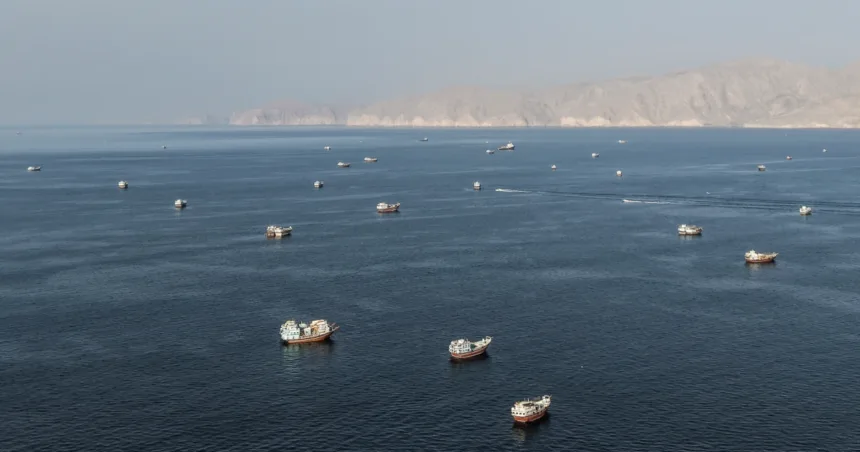
It was the first attack on Qeshm since June. Analysts regard the island as the main base for Iran's asymmetric naval power, and a U.S. strike on its desalination plant on March 7 cut fresh water to 30 nearby villages.
Diplomacy on a parallel track
Just hours before the strike, Vice President JD Vance said he and Trump felt good about the chances of a negotiated settlement. Vance sent a letter last week to Iran's security chief, Mohsen Rezaei; Trump said it focused on helping Iran with medical supplies.
Qatar is leading mediation. Iran's delegation left Doha on Sunday, and Qatari mediators flew to Tehran on Monday night to discuss a draft U.S.-Iran deal with Foreign Minister Abbas Araghchi after eight days of negotiation, an official said.
Consultations through mediators are very intensive. We have presented our conditions and proposals, and everything depends on the political rationality of Washington.
Abbas Araghchi, Iranian foreign minister
Iranian President Masoud Pezeshkian said Supreme Leader Ayatollah Mojtaba Khamenei had given the government certain authorities over talks with Washington. Foreign Ministry spokesperson Esmaeil Baghaei said Iran's September peace plan could be carried out in two days, including reopening the Strait of Hormuz.
Parliament Speaker Mohammad Bagher Ghalibaf, Iran's top negotiator, said Tuesday that the ball was in America's court. He warned that Iran's response to any U.S. miscalculation, such as new strikes, would be unpredictable.
Trump weighs next steps
Trump has repeatedly suggested he could attack Iran after the vote. On Monday he posted that Iran wants a settlement as soon as possible, but he also said he was in no rush to decide whether to resume strikes.
One way or the other, we will do something, but there is no rush. We crippled them financially.
Donald Trump, U.S. president
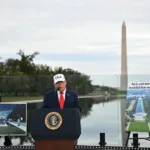
In his closing midterm speech at the Lincoln Memorial Reflecting Pool, Trump played down the conflict, questioning whether it should even be called a war. The fighting has cost U.S. taxpayers at least $47 billion.
Oil markets reversed course after the strike. Prices fell more than 7% on Monday on hopes for diplomacy, then on Tuesday Brent crude rose 1.75% to $106.60 a barrel and West Texas Intermediate gained 1.7% to $98.10.
The war began on February 28 with U.S. and Israeli strikes across Iran, which led to the closure of the Strait of Hormuz. Thousands of U.S. troops are enforcing a naval blockade on Iranian oil, and a third aircraft carrier is heading to the region.