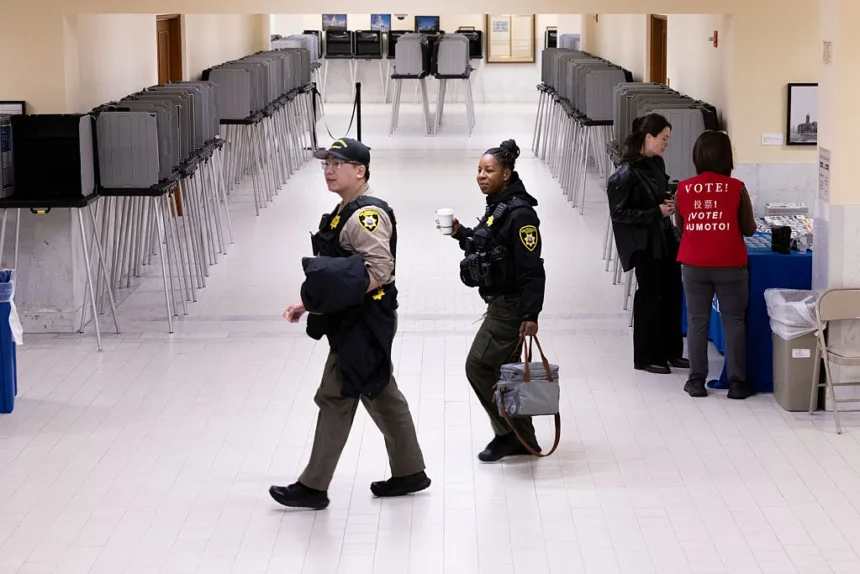
Voters in 11 states sided with stricter bail rules and harsher sentences for some drug and trafficking crimes in Tuesday's midterm elections, but turned away attempts to undo legal marijuana and to expand cooperation with federal immigration authorities.
In all, 15 criminal justice and drug policy questions appeared on those ballots, touching on pretrial detention, victims' rights, immigration enforcement and traffic cameras.
Bail restrictions spread
Indiana, Louisiana and Tennessee each amended their constitutions to tighten bail. Indiana's version, backed by 59% of voters, lets a judge hold a defendant without bail if proof of guilt is strong and the person presents a substantial danger to someone else or the wider community.
Louisiana now bars post-conviction bail, sometimes called an appeal bond, for people found guilty of aggravated offenses against minors. That kind of bail lets a convicted person stay out of custody while awaiting sentencing or an appeal.
Tennessee added terrorism, second-degree murder and aggravated rape of a child to the charges for which judges may refuse bail. A separate amendment there gives crime victims notice of proceedings, a seat at hearings and a voice when courts weigh release, sentencing and parole.
The bail votes extend a pattern. Alabama voters in May adopted a comparable amendment letting judges refuse bail to people charged with certain violent crimes.
Colorado voters stiffened penalties on two fronts. Proposition 132 raises punishment for some fentanyl crimes, mandates treatment ordered by a court in certain possession cases and alters how possession counts under the habitual criminal statute. Proposition 133 sets life without parole for anyone convicted of trafficking a child for sexual servitude.
Coloradans drew a line on immigration, though. They defeated Amendment 81, a proposal obligating state and local police to alert federal immigration officials after charging certain people living in the country unlawfully or whose status was unclear.
Arizona approved measures labeling drug cartels terrorist organizations under state law and limiting photo enforcement such as speed and stop-sign cameras. Missouri, by a narrow margin, made elected county sheriffs the top law enforcement officers in most counties and restricted the grounds for ousting them.
Virginia voters, at 55%, approved automatic restoration of voting rights for people with felony convictions once their sentences end, scrapping a process that hinged on a governor's pardon or a successful petition. Kentucky voters overwhelmingly barred governors from granting pardons or commutations from 60 days before a gubernatorial election through five weeks after it.
Marijuana rollbacks fail
Massachusetts voters overwhelmingly defeated a proposal to scrap licensed recreational marijuana sales, keeping alive the market voters created in 2016. Adults would still have been allowed to possess small amounts had the repeal passed.
Idaho voters turned down a constitutional amendment that would have reserved to legislators alone the power to legalize marijuana, narcotics and other mind-altering drugs. It would not have changed marijuana's legal status directly; instead, it would have shut citizens out of using ballot initiatives to legalize those substances.