The U.S. military struck Iranian targets around the Strait of Hormuz on Monday, hitting Qeshm Island in what officials described as limited, defensive action on the eve of the midterm elections.
A senior U.S. official said the strikes followed fire by Iran's Islamic Revolutionary Guard Corps at an American aircraft. Another official said the targets were Iranians who had used surface-to-air missiles against U.S. assets. Iranian state television said explosions were heard on the island.
The action appeared narrow rather than a resumption of full-scale war. Still, it came after President Donald Trump had said the U.S. would not launch new strikes on Iran before Tuesday's vote, and the administration's last known attacks were in early September.
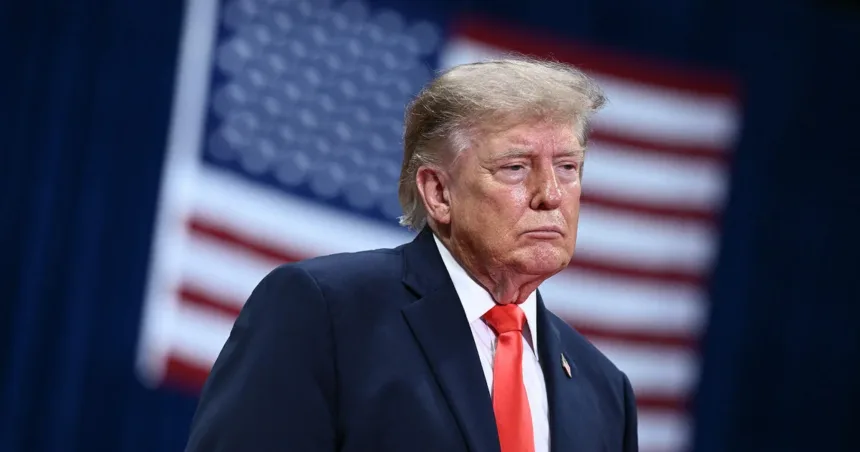
Trump's messaging swung during the day. In a Truth Social post, he said a deal could happen and that Iran wanted a quick settlement. That night, he said several Iranian sites still had to be dealt with, including Pickaxe Mountain, a suspected nuclear site, and described the job as minor work that could take an hour.
Vice President JD Vance, speaking before the strikes were confirmed, said he and Trump were optimistic about reaching a negotiated settlement. Vance wrote last week to Iranian security chief Mohsen Rezaei, who said the U.S. tone had completely changed and called it a very good sign, but added that he had not replied.
Look, the president and I both feel pretty good about the prospects for potentially coming to a negotiated settlement.
JD Vance, U.S. vice president
Mediation and pressure from Israel
Two regional officials said Qatari mediators held two rounds of talks with Iranian officials last week. They are pursuing a framework in which Iran would stop its attacks in the strait and Washington would end its blockade of Iranian ports, with more talks set for this week.
Israeli Prime Minister Benjamin Netanyahu urged further strikes in a weekend call with Trump, who would not commit to military action, according to a person briefed on the conversation. One regional official said Netanyahu was lobbying senior U.S. officials for a quick but extensive air campaign and that Trump appeared undecided.
Netanyahu and his far-right allies lost their parliamentary majority in last week's elections, and a return to full-scale war could help him form an emergency government. Other U.S. partners in the region oppose more strikes, with one official warning that escalation could spur Yemen's Houthi rebels to intensify assaults on Saudi Arabia and on shipping.
The cost of the war
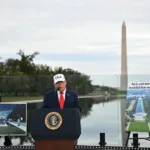
The war, now in its ninth month, has driven up costs for Americans through the strait's closure and eroded support for Trump and Republicans as they fight to hold Congress. Oil prices fell sharply Monday as diplomacy showed signs of progress, and Trump, in a speech in Washington, questioned whether the conflict should even be called a war.
U.S. Central Command told lawmakers the conflict had cost the military no less than $47.1 billion by mid-October. Replacing munitions accounted for about $29 billion, lost equipment $6.1 billion and support for troops roughly $11.9 billion, a tally that leaves out damage to bases hit by Iranian drones and missiles.
Thousands of U.S. troops remain off Iran enforcing a naval blockade on Iranian oil exports, and a third aircraft carrier is heading to the region with thousands more. Iran, seeking to force an end to the blockade, attacked more commercial ships in the strait in October than in any month since March.
Iran's new supreme leader, Ayatollah Mojtaba Khamenei, told military chiefs that any threat from the U.S. or Israel should draw an immediate response without geographic limits. Tehran wants guarantees that Washington will honor any deal, after the U.S. and Israel twice attacked Iran during nuclear negotiations.
if these positions are not bridged, then we have to worry about the worst.
Anwar Gargash, UAE presidential adviser
At a security summit in Bahrain, Emirati presidential adviser Anwar Gargash said the two sides remained far apart, and Egyptian Foreign Minister Badr Abdelatty warned that another escalation would be more destructive. China's Foreign Ministry said Beijing will dispatch a special envoy to Iran, Oman and Saudi Arabia in the first half of November.