More than 40% of the people the Justice Department flagged as possible noncitizen voters in California don't appear on the state's voter rolls at all, two UCLA analysts said in a court filing Saturday. It is the first outside review of a list federal officials have used to threaten election officials with prosecution.
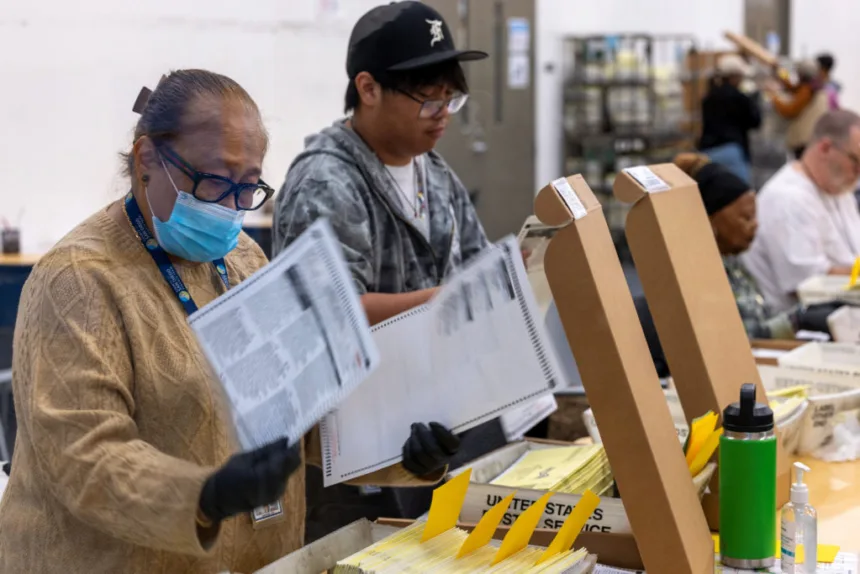
Of the 20,930 names, 8,880 match no one in California's current voter file, the analysts found. The department had demanded that election officials set those voters' ballots apart during the Election Day count, a demand multiple judges have rejected as unconstitutional.
In our analysis, that 42% figure is the most consequential number in the filing. Someone who isn't on the rolls has no ballot to separate, so for thousands of entries the government's demand appears to have no practical target.
Weighing the source
The source deserves scrutiny, too. The analysts belong to the UCLA Voting Rights Project, which is suing alongside the Coalition for Humane Immigrant Rights, known as CHIRLA, and Xavier Becerra, California's Democratic candidate for governor and a project adviser, cosigned the filing. We read the findings as a litigant's evidence, not a neutral audit.
Bill Essayli, head of the U.S. Attorney's office in Los Angeles and the prosecutor who led the federal case in California, dismissed the analysis Saturday.
This is a bogus report by the activist illegal immigrant rights group CHIRLA
Bill Essayli, head of the U.S. Attorney's office in Los Angeles
Still, the filing doesn't stand alone. State and local officials had already said the list appeared riddled with errors, and several counties that ran quick checks found many. In Washington state, officials called a separate federal list of 400 names unreliable, noting that it included a voter who cast ballots in the 1990s.
That pattern is harder to wave away, in our view, than one study from plaintiffs would be.
The claims about citizens
The more serious claim concerns citizens. The filing says at least 22 people on the list are U.S. citizens, with many more possible matches to confirmed citizens. Using the government's own method, the researchers estimated that nearly 7,500 naturalized Californians would very likely be wrongly marked ineligible.
A second problem limits what anyone can check. The researchers said the administration apparently stripped out voter identification numbers, which they consider the most crucial data point, making it harder to tell whether flagged people are on the rolls or listed twice. Election officials also complain that such lists arrive too close to Election Day for the painstaking review the law requires.
Washington's response
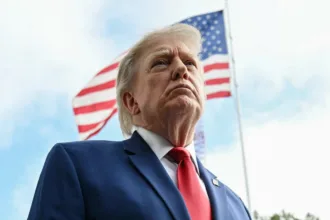
President Donald Trump responded on social media that his Justice Department had found 20,000 fraudulent votes, and potentially millions, and faulted the courts for standing in the way. That description goes beyond the record as we read it: a roster of names flagged as possible noncitizens is not proof that any of them voted illegally. The rulings against him include one from a judge he nominated.
The department's counterargument is a serious one in principle. Spokesperson Kiersten V. Pels said the department makes no apology for shielding citizens' votes from ineligible ballots. The question this filing raises, in our judgment, is whether this particular list can do that job.
Every ballot cast by an ineligible voter cancels out the vote of an American citizen
Kiersten V. Pels, Justice Department spokesperson
The dispute is moving quickly. A federal judge in California ordered the department Friday to stop sending demands to state officials, and the administration appealed the next day. The analysis exists only because a judge also ordered the list turned over to the plaintiffs Friday, over the administration's objection that the effort was a fishing expedition.