Writer Meghan O'Gieblyn has described in a first-person essay how she returned to drinking after 11 years of sobriety and hid a nine-month run of binges, confined mostly to airports and hotel rooms.
She spent more than a decade identifying as an alcoholic and telling her story at meetings in church basements. She writes that explaining how she talked herself back into the habit is far harder than explaining how she first fell into it.
Rules and rationalizations
The relapse began as an idle mental game. She set conditions: she could not sit at a bar, only at a table, and she could not say the order aloud, which left self-serve taps or a deli case by the register as the only options.
She had recently published a book about AI and human consciousness and spent a year on panels about whether minds are computational. She says she misread those ideas, along with meditation lectures on the illusory self, to conclude that sobriety was a story she could retell however she liked.
Her first drink came at a Christmas market in Helsinki in December. She meant to order non-alcoholic mulled wine but pointed to the alcoholic version, drank at least half, and felt foggy, then depressed, yet had no urge for more.
Airports, QR codes and hiding
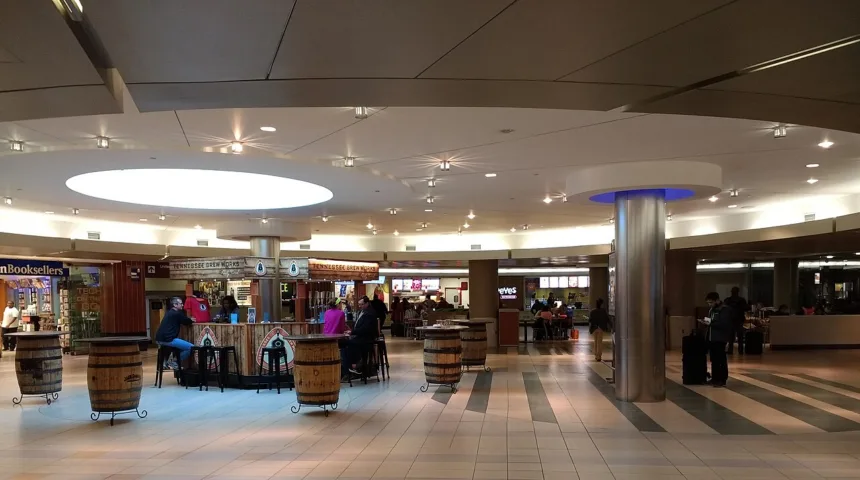
The real loophole, she writes, was the spread of QR codes that let diners order without speaking. At the Nashville airport one February morning, she ordered a burger and white wine at her table; by a layover at O'Hare she had switched to vodka, was vomiting in a restroom and nearly missed her connection.
Her husband did not suspect anything. Over the following months she fell back on old tactics, such as getting into the bath before he came home to explain flushed cheeks and mask the smell of alcohol.
She also recounts the unearned kindness of strangers during that stretch: a woman at an airport bar who paid her tab, a flight attendant who brought aspirin, and a librarian who forgave her for canceling a virtual panel the morning it was scheduled.