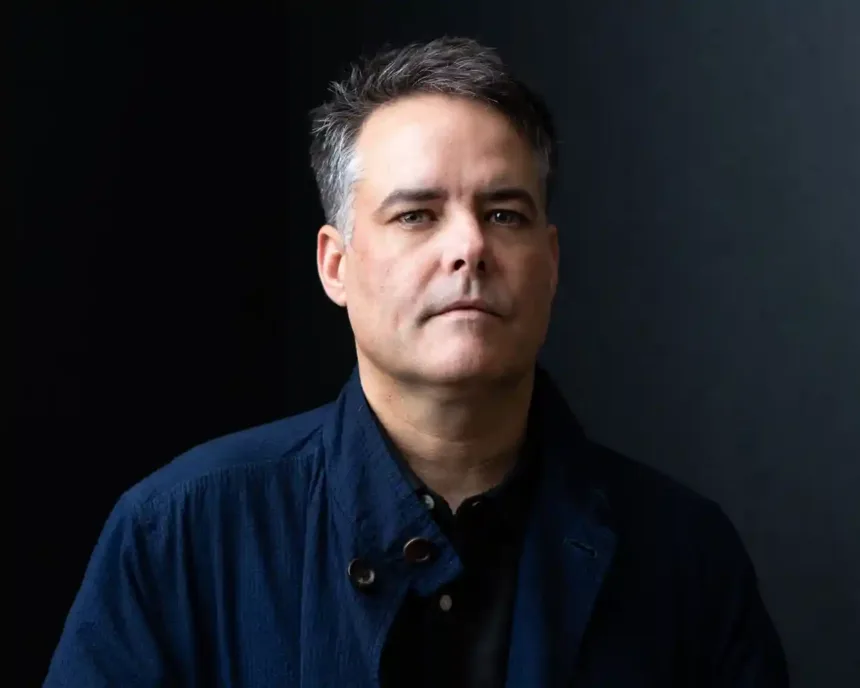
Sebastián Lelio, the Chilean filmmaker whose A Fantastic Woman earned his adopted country its first Oscar in the international feature category, has died. He was 52.
His partner, Amalia Kassai, shared the news on Instagram. Writing in Spanish, she said the family was going through a painful time, but she did not say what caused his death.
Lelio was born in Argentina and was two when his family moved to Chile. After a single year of journalism studies, he finished film school and in 2003 put out Cero, a documentary about 9/11.
He turned to fiction with The Sacred Family, which debuted at the San Sebastián festival in 2005. Christmas, his next feature, went to Cannes in 2009.
International recognition arrived in 2013 with Gloria, the story of a woman in her late 50s who returns to the dating world. It premiered in Berlin, where Paulina García took an acting prize for the title role.
A Fantastic Woman, which follows a transgender woman, came out in 2017 and turned into another breakout. Lelio later said a gender identity bill had been stalled in Chile's congress for seven years at the time, and that the film's worldwide attention helped restart that debate.
His first English-language project, Disobedience, was set in London and starred Rachel Weisz and Rachel McAdams as two women in love. It drew five British independent film award nominations.
He then moved Gloria to an American setting as Gloria Bell, with Julianne Moore in the lead, and went on to adapt Emma Donoghue's novel The Wonder with Florence Pugh, a film that won critical praise.
Making a film is like a gift you leave somewhere – you then hide and see what happens
Sebastián Lelio, Chilean filmmaker
Lelio once described his approach on set as protecting performers so they felt free to explore, get lost, or take risks. His last film, the 2025 musical protest drama The Wave, premiered at Cannes.