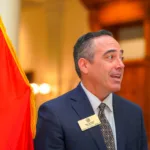
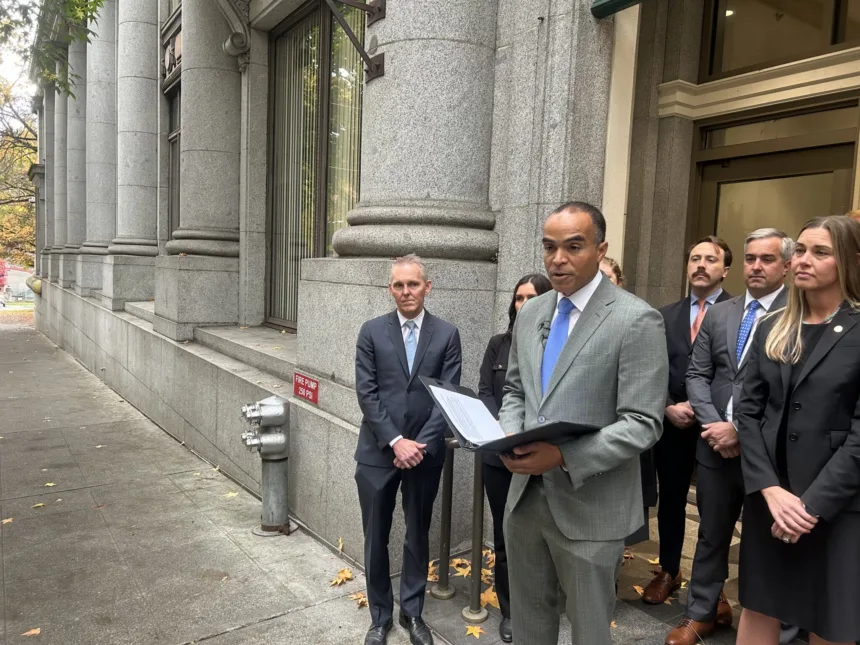
A Washington judge on Thursday ordered Albertsons to pay the state $900 million for its pharmacies' part in driving the opioid epidemic. Attorney General Nick Brown said the award is believed to be the largest verdict in state history.
King County Superior Court Judge Janet Helson ruled after a trial that ran nine weeks. Albertsons, the parent of Safeway and Haggen, can appeal, so the money will not reach the state quickly.
The company said it respectfully disagrees with the court and is reviewing the decision and all available options, including an appeal. In April, the grocer agreed to a $774 million deal resolving a batch of other lawsuits, but Washington chose not to take a share, betting that a trial would produce greater accountability. Brown said the verdict proved that approach right.
What the state alleged
Albertsons operates more than 200 pharmacies in Washington. The state alleged those stores handed out 641 million opioid pills from 2006 through 2022, and that many prescriptions carried warning signs that pharmacists should have looked into rather than ignored.
State lawyers also argued that in more than 6.5 million instances, the chain had no record that its pharmacists checked whether a doctor issued the prescription for a genuine medical need. Pills from those fills were diverted to illicit use, the state said.
Among the examples cited: a single customer at a Kent pharmacy received more than 5,000 opioid pills in one month. At another location, one family medicine physician was the source of 60% of the oxycodone the store dispensed, a state attorney told the court.
Brown said company policies actively discouraged pharmacists from doing due diligence. In some cases, the state said, pharmacists were not permitted to turn away prescriptions from so-called pill mill doctors, a freedom other pharmacies allowed.
Theft was another thread. A Safeway worker in North Bend took more than 70,000 opioid pills over two years, according to the state, and Safeway paid $3 million in 2017 after an inquiry found it was slow to tell the Drug Enforcement Administration about the losses. Brown blamed poor inventory tracking for other thefts, including 12,000 pills in Leavenworth and 19,000 in Olympia.
The defense and wider litigation
Evidence at trial also described chronically understaffed pharmacies where overworked employees could not properly vet prescriptions. Brown argued the pattern showed Albertsons put profit ahead of patient safety.
Albertsons' lawyers countered that doctors were to blame for prescribing opioids aggressively to treat pain. The company said it is proud of its pharmacists and will keep serving Washington customers.
The lawsuit was filed by Bob Ferguson, now the governor, when he was attorney general and sued several major grocery chains. Kroger agreed in 2024 to pay Washington $47.5 million, and the state has collected nearly $2.2 billion in opioid cases against drugmakers and distributors, money directed to overdose and drug abuse prevention.