Democrats' sweeping midterm gains have revived the push for Medicare for All, putting a government health program back on the table while exposing divisions inside the party's new majority.
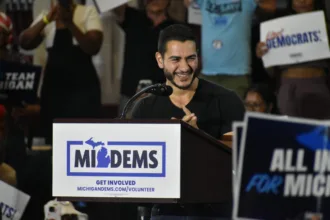
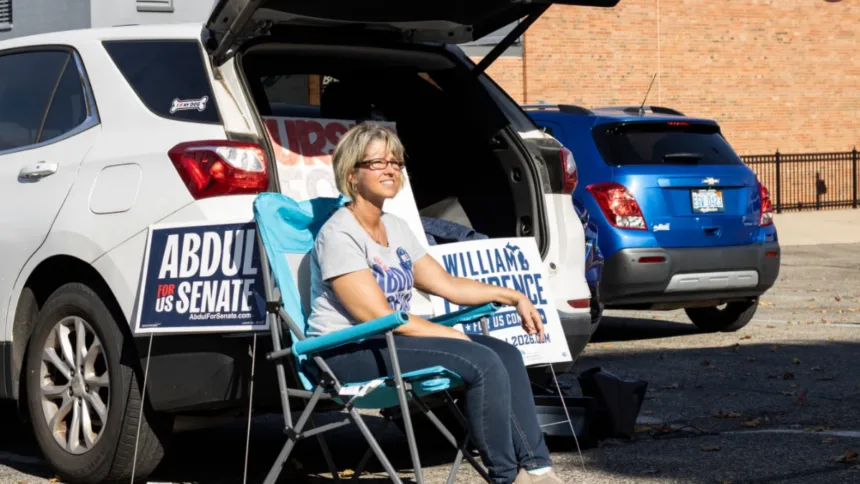
Abdul El-Sayed, a Michigan Democrat who made the policy a centerpiece of his campaign, is now a senator-elect. Progressive candidates in Texas, Iowa and Maine also ran on some version of it.
The label usually refers to a federal program that would guarantee coverage for Americans by replacing most or all private insurance. Critics note that its loudest backers generally won by narrower margins than moderate Democrats did.
Jonathan Oberlander, a healthcare reform expert at the University of North Carolina-Chapel Hill, said voters were angry about inflation, corruption and the Iran war but largely did not vote for a government takeover of health insurance. He also said affordability dominated the election and that the plan speaks to that concern.
Supporters expect the idea to pick up major momentum ahead of the 2028 Democratic presidential primaries, Oberlander said. But moderates who won difficult races in Iowa, Kansas and South Carolina may view its rising popularity as a threat to those seats, he said.
So just because Democrats have a majority doesn’t mean it’s a majority for Medicare for All.
Jonathan Oberlander, healthcare reform expert, University of North Carolina-Chapel Hill
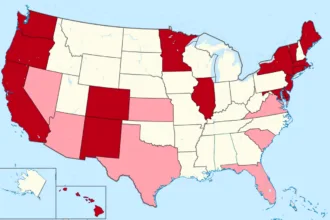
Advocates for universal coverage call this a once-in-a-generation opening as families struggle with medical bills. Oregon is among the states studying how a single-payer system could be built.
Opposition remains fierce. Michael Cannon, a healthcare economist at the libertarian Cato Institute, said earlier proposals would have forced millions of people off their existing coverage and drew unprecedented resistance from the industry. He argued that greater federal control would leave patients dependent on unsustainable government spending.
A recent KFF poll found support for Medicare for All at its highest level in nearly a decade, though backing slips when respondents hear objections such as higher taxes or treatment delays.
Patients feeling the squeeze
Jaime Bardenhagen, a former nurse in rural Leelanau County in northern Michigan who has Parkinson's and a rare genetic disease, said her family's monthly premiums climbed from $700 to $1,300 this year, with a $7,500 deductible, after enhanced Affordable Care Act subsidies expired. The couple began postponing tests her doctor ordered, she said.
A Democrat who considered skipping the midterms and says she distrusts both parties, Bardenhagen still backs a government takeover, saying insurers rather than doctors decided what care patients got. Her message to Democrats is to act.
In Lansing, emergency room nurse Kim Bogan spent the past year balancing 12-hour shifts at Sparrow Hospital with campaigning for El-Sayed. Even so, she acknowledges the policy will not be an easy sell.
Smaller deals may come first
Sara Collins, a senior scholar at the Commonwealth Fund, said the results will pressure both parties to answer the healthcare affordability crisis. That could open the door to bipartisan steps such as restoring the enhanced subsidies that lapsed at the end of last year or limiting insurers' use of prior authorization. South Carolina strategist Patricia Votava called those the lowest-hanging fruit.
The strain is expected to grow. Affordable Care Act premiums are set for another double-digit increase next year, employers are shifting more insurance costs to workers, and looming Medicaid cuts are projected to leave 7.5 million more people uninsured by 2034.
Oberlander said the election could pull Democrats' health agenda to the left, toward a public option or a version like El-Sayed's, which keeps employer and union coverage while offering baseline government insurance. Either way, he warned, voters will not wait years for gradual change.