Brazil released the first global roadmap for phasing out fossil fuels on Tuesday. It argues that every country can begin cutting its reliance on coal, oil and gas right away, without waiting for new technology or economic shifts.
The plan comes ahead of the Cop31 climate summit in Antalya, Turkey, this month. It says nations can grow their economies and lift people out of poverty while making the break. But it sets no deadlines, no milestones and no binding obligations.
That gap drew criticism from Joeri Rogelj, an Imperial College London scholar of climate policy. He called the roadmaps a step forward but limited, saying they fail to show how fast change must come to meet the Paris agreement's goal of holding warming well below 2C, and ideally 1.5C.
The roadmaps are valuable but fall short of clearly indicating the pace of change needed by including no timeline or key benchmarks,
Joeri Rogelj, Imperial College London
André Corrêa do Lago, who led Brazil's Cop30 presidency, said the documents are tools for implementation. He wants the annual UN talks to move away from negotiating new deals and toward carrying out targets already agreed, with finance, transport, energy and infrastructure ministries taking up the work.
He said each country will move at its own pace. The roadmaps leave governments to assess their own dependence on fossil fuels and pick the policy levers that fit.
Based on these diagnoses, they can choose their levers [of policy] and implement the transition.
André Corrêa do Lago, Brazil's Cop30 president
What the plans recommend
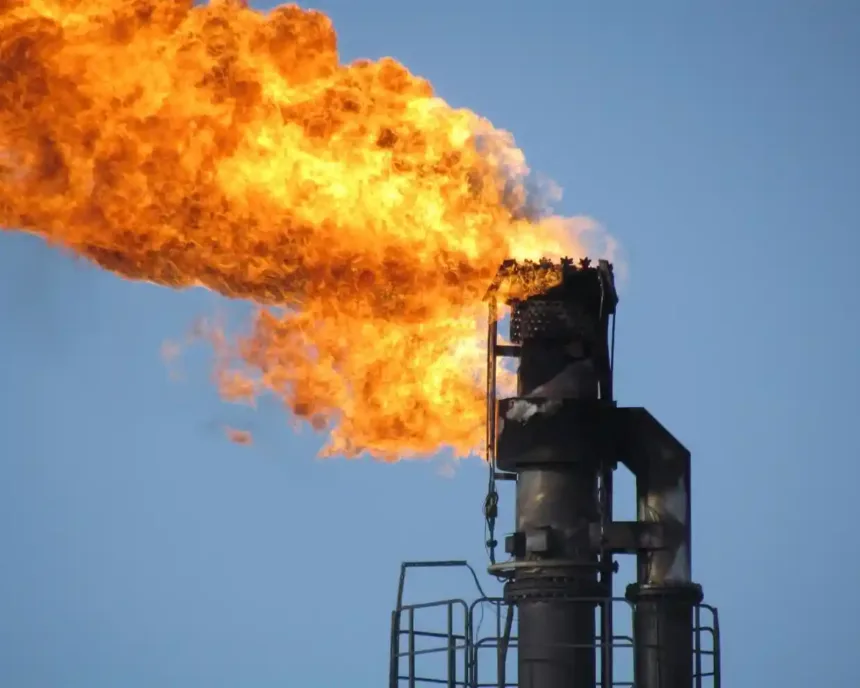
Among the suggested steps, oil and gas producers would urgently cut the flaring and venting of gas at extraction sites. Because methane traps 80 times more heat than carbon dioxide, that move would have an immediate effect. The plan also calls for trimming fossil fuel subsidies and expanding renewable power.
A second roadmap, on deforestation, estimates that forests will need about $300bn a year by 2030 and $500bn a year by 2050, citing UN figures. Roughly $85bn a year is available now. The document also stresses regulating trade between forested and consumer nations, since few checks currently block goods from cleared land.
Brazil's Tropical Forest Forever Facility, created at Cop30 to preserve forests, has raised about $7bn from several countries, including a £400m loan from the UK.
A compromise from Belém
The two roadmaps were a compromise. At Cop30 in Belém, in the Amazon, a bitter dispute erupted last November over whether the summit's final resolutions should include fossil fuel pledges.
They are distinct from plans coming out of a separate effort launched in Santa Marta, Colombia, in April, where nearly 60 countries formed a coalition of the willing outside the Cop process. Germany, France and the Netherlands have since issued national plans that are far more specific, because the governments writing them will carry them out.
Brazil published its roadmaps after President Luiz Inácio Lula da Silva won a fourth term just over a week ago. Deforestation has fallen about 70% during his last four years. His defeated rival, Flávio Bolsonaro, son of jailed former president Jair Bolsonaro, had been expected to revive his father's policies of heavy exploitation of the Amazon.