Analysis: Two years after Robert F. Kennedy Jr. and Donald Trump vowed to make America healthy again, the MAHA movement's own yardstick yields a split verdict. The federal diet has been rewritten, but chemical policy has drifted away from what MAHA activists demanded.
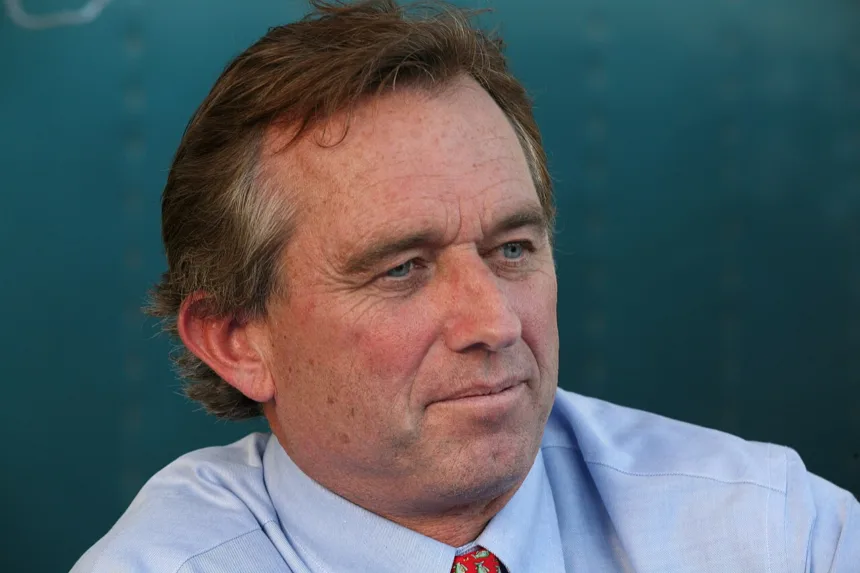
Kennedy set the bar himself. Shortly after the 2024 election, he said Trump expected measurable progress in reducing chronic disease within two years. That deadline has now arrived.
Barry Popkin, a nutrition professor at the University of North Carolina Gillings School of Public Health, says he sees no evidence of that progress. He credits the movement with raising concerns about pesticides and ultra-processed foods, but he faults it for encouraging vaccine refusal amid major measles outbreaks. He also points to large foodborne illness outbreaks that have sickened thousands of Americans in the last year or two.
They've raised a lot of important issues – pesticides, about ultra-processed foods. They've also done a number of things which are terribly dangerous.
Barry Popkin, nutrition professor, University of North Carolina Gillings School of Public Health
Where the movement scored
The clearest win is the new set of dietary guidelines, a real departure from earlier versions that reflects the MAHA philosophy. They urge Americans to avoid processed foods, encourage eating more saturated fat and raise daily protein goals.
Even that victory has limits. The guidelines did not actually change the saturated fat limits, so the shift is more a change in message than in the numbers.
The chemical gap
Chemicals are where the gap is widest. Some of the substances the administration's own MAHA report identified as possibly harmful to children's health are the same ones the Environmental Protection Agency has moved to weaken protections around.
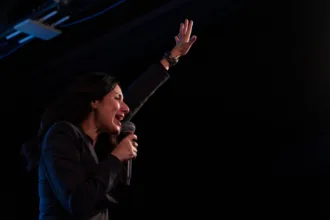
Kelly Ryerson, a pesticide-focused MAHA activist who runs the nonprofit American Regeneration, says the EPA has rolled back drinking water protections against forever chemicals and approved pesticides that should never have cleared review.
I cannot think of a single good thing that the EPA has done during this administration.
Kelly Ryerson, MAHA activist and head of American Regeneration
Glyphosate, the main ingredient in the weed killer Roundup, is the sharpest example. Many in the movement wanted meaningful action over cancer concerns. Instead, the administration backed Roundup's maker in a high-profile Supreme Court case the company won, and Trump signed an executive order encouraging domestic production of the pesticide.
Who speaks for MAHA
The deeper problem may be ownership of the brand itself. A recent high-profile MAHA summit in D.C. was stacked with figures from corporate America, leaving Ryerson mortified; she says grassroots supporters want corporations out of the way.
Ryerson also says the MAHA brand may need to evolve in 2027, depending on how the midterms turn out. For a movement that promised measurable results, that is a telling sign the label itself is now up for grabs.