
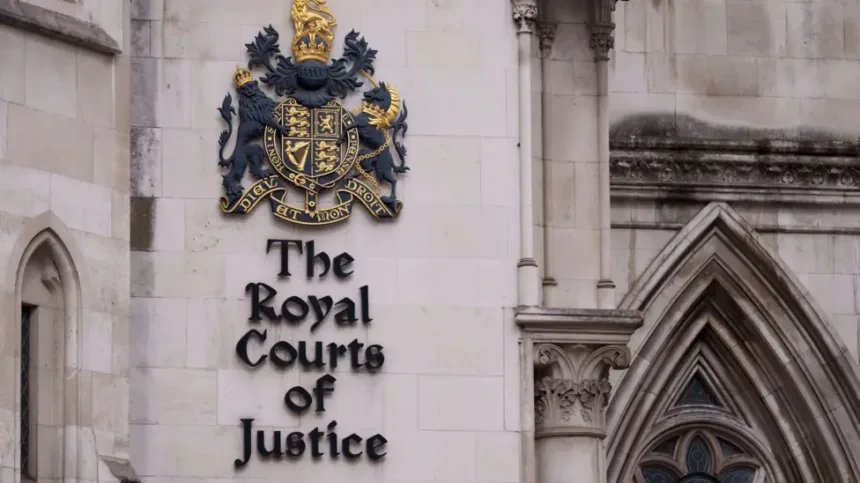
A celebrity who sought a permanent High Court order stopping ITN and the Guardian from naming him and airing sexual misconduct allegations has lost his case. A judge still kept him anonymous for now so he can decide whether to appeal.
Mr Justice Nicklin dismissed the injunction claim on Tuesday but left a temporary order in place. Anonymity and reporting restrictions stay in force through the appeal window, and the man has until 16:30 GMT on 9 November to file his reasons for challenging the ruling.
The two news organizations say their investigation found the man used his fame and influence to pursue, or try to pursue, inappropriate sexual activity with many girls and young women. He denies the allegations.
The man told the court that publication would be highly likely to drive him to suicide. Nicklin stressed that the court made no finding on whether any of the allegations were true and that dismissing the claim was not an endorsement of anything the outlets might publish.
The court did not determine whether the allegations, or any of them, were true, and the dismissal of the claim does not amount to approval of any publication the defendants may decide to make.
Mr Justice Nicklin, High Court judge
Suicide risk and the law
The judge said the man's repeated statements that he would end his life if the claims came out had to be treated seriously. But he found those statements did not prove suicide was inevitable or that treatment could not lower the risk.
Sara Mansoori KC, the man's barrister, told the court last week that he attempted suicide after the outlets contacted him, was held in a hospital for his own safety, then left and tried again. She attributed those episodes to long-term trauma and dread of a trial by media, not to the allegations themselves.
The celebrity argued publication would breach his rights under the European Convention on Human Rights, including the right to life and protection from inhuman or degrading treatment. Nicklin rejected that, writing that no earlier case required a court to act simply because it knew of a suicide risk and had the power to stop the event expected to raise it.
Free expression weighed against privacy
The judge accepted that publication would inflict acute and possibly lasting mental suffering. He ruled, however, that existing law placed no duty on the court to prevent that harm by barring publication.
On the man's right to private and family life, Nicklin found publication would intrude on it exceptionally seriously. He concluded that a permanent ban would itself be an exceptionally serious curb on freedom of expression.
What happens next
Nicklin also found the reporting dealt with serious claims about a prominent person, including alleged abuse of power and sexual misconduct toward younger or vulnerable people. Lawyers for the media groups had argued the gravity of those claims created a strong public interest in publishing.
Those are matters capable of making a significant contribution to public debate.
Mr Justice Nicklin, High Court judge
Mansoori asked for time to consider an appeal, saying her client was highly vulnerable and had not been able to instruct his lawyers. The case raises the rare question of whether courts should halt publication when a person says a media investigation would lead them to harm themselves.
The man first went to court in the summer, after journalists approached him with the allegations. Under the anonymity order, it remains illegal to identify him or publish details that could reveal who he is.