Four Democratic-led states asked a federal court Thursday to bar the Trump administration from stripping their Medicaid funding if they refuse to enforce the work requirements in the 2025 tax and spending law, which take effect Jan. 1, 2027.
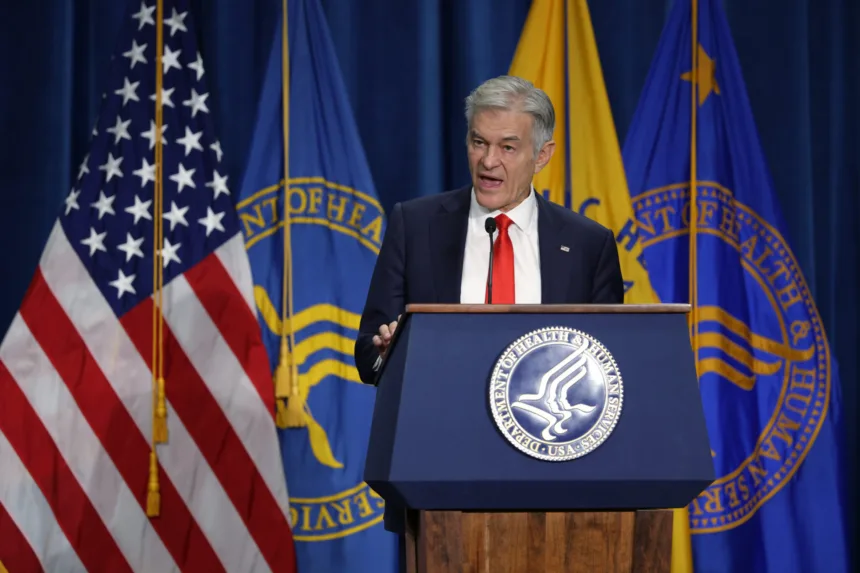
Attorneys general Keith Ellison of Minnesota, Dan Rayfield of Oregon and Nick Brown of Washington, joined by New Mexico's attorney general, filed the case in U.S. District Court in Oregon. It names Centers for Medicare and Medicaid Services Administrator Mehmet Oz, Health and Human Services Secretary Robert F. Kennedy and their agencies as defendants.
The states are borrowing a playbook conservative states used against the Affordable Care Act. In 2012, the Supreme Court held that Congress could not force states into Medicaid expansion by threatening every dollar of their federal Medicaid money, a ruling that let 10 states opt out.
The new suit argues that the law, known as H.R. 1 or the One Big Beautiful Bill Act, turned Medicaid into a tool for pushing people into jobs while presenting the change as a routine amendment. Putting a state's entire Medicaid budget at risk to enforce it, the attorneys general contend, is unconstitutional coercion. Ellison called the law a bait-and-switch.
Who stands to lose coverage
The law, backed by President Donald Trump and congressional Republicans, requires covered adults to document each month at least 80 hours of work, schooling or volunteering. Exempt groups include pregnant women and new mothers, people with disabilities or serious health conditions, American Indians and Alaska Natives, and adults caring for a child under 14.
In Minnesota, about 1.2 million people get coverage through the state's Medicaid program, and 243,000 of them will have to meet the new rules.
Oregon expects the requirements to reach nearly 40% of the more than 1.4 million people on the Oregon Health Plan, and its health authority projects a third of that group could lose coverage over the paperwork. Washington officials estimate about 120,000 of the more than 1.9 million enrolled in Apple Health could be dropped.
It would be the height of bureaucratic cruelty to rip away someone’s life-saving healthcare just because of unreasonable paperwork
Dan Rayfield, Oregon attorney general
The attorneys general warn that people cut off would face gaps in treatment for chronic illness, less preventive care and more emergency room visits, adding to unpaid bills at hospitals. State officials expect rural areas, where Medicaid use and unemployment run higher, to bear the brunt.
A CMS spokesperson said the agency does not comment on pending litigation. HHS spokespeople did not immediately respond to a request for comment Friday morning.
A second legal front
The case opens a second front. In June, Minnesota and 25 other Democratic-led states challenged how the administration defined who counts as medically frail. On Oct. 29, a federal judge rejected that narrow definition but upheld the work requirements themselves.
Minnesota is preparing to carry out the rules while the lawsuit proceeds. Its 2026 supplemental budget puts implementation costs at $1 million and projects savings of $1 million in fiscal 2027 and $3 million over the following two years. State budget officials have cautioned that some enrollees may seek disability-based eligibility instead, shifting more of their care costs onto the state.